

Native Plants That Thrive in the Lowcountry: A Fall Planting Guide
Nice Landscaping of Charleston | Charleston, SC
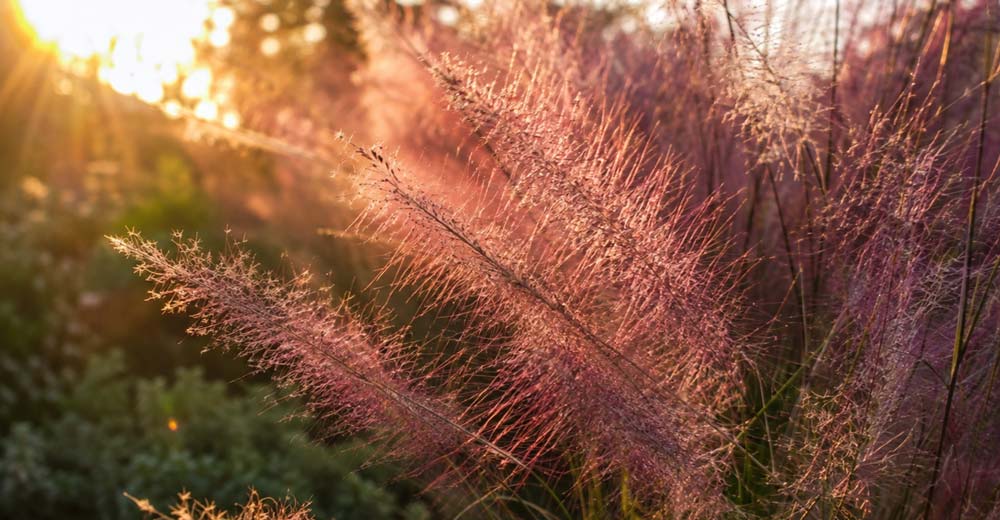
If you’ve driven along the marsh at golden hour in late September, you’ve probably noticed the landscape turning a soft, smoky pink. That’s muhly grass putting on its yearly show — and it’s just one reason fall is the best time to plant natives in Charleston.
At Nice Landscaping, we tell every client the same thing: fall isn’t the end of the growing season here — it’s the start of the best one. Cooler air temperatures reduce stress on new plants, while our soil stays warm well into November, giving roots a long head start before spring. Pair that with lower humidity and less watering, and September through November is prime time to fill your yard with plants that are actually built for the Lowcountry.
If you’re researching native plants for fall planting in Charleston, SC, you’re already ahead of most homeowners who wait until spring and miss this head start entirely.
Here are our favorite native picks for fall planting, and why they belong in your landscape.
For a broader look at plant selection across all seasons, see our guide to choosing the right plants for your Charleston yard.
Muhly Grass (Muhlenbergia capillaris)
This is the plant everyone stops to ask about. In late September and October, muhly grass explodes into airy, cotton-candy-pink plumes that catch the afternoon light beautifully. It’s drought-tolerant once established, unbothered by salt spray, and needs almost no maintenance beyond an annual cutback in late winter.
Where to use it: Mass plantings along driveways, borders, or anywhere you want a soft, natural look. It also holds up well near the coast where salt air kills off less hardy ornamentals.
Muhly grass in Charleston has become something of a signature plant for exactly this reason — it thrives in conditions that frustrate less adapted ornamentals.
Sweetgrass (Muhlenbergia sericea)
A Charleston icon for good reason — sweetgrass has been harvested for generations for the Gullah basket-weaving tradition, and it’s just as at home in a residential landscape. It’s closely related to muhly grass but slightly finer in texture, with a similar late-summer bloom.
Where to use it: Coastal gardens, dune-style plantings, or anywhere you want to honor local heritage while getting a plant that thrives in sandy, well-drained soil.
Sweetgrass landscaping in Charleston connects a residential yard to centuries of local tradition in a way few other plant choices can.

Palmettos (Sabal palmetto)
The state tree deserves a spot in more yards than it gets. Palmettos are slow-growing, but that’s part of their charm — plant one now and it becomes a fixture, not a phase. They’re wind-resistant (a real asset during hurricane season), tolerant of salt spray, and require very little upkeep once established.
Where to use it: As a focal point, along property lines, or grouped in odd numbers for a natural, layered look. They also pair beautifully with muhly grass and sweetgrass for a true Lowcountry palette.
Palmetto tree landscaping in Charleston is a long-term investment — slow growth means a mature specimen you plant today becomes a defining feature of the property for decades.

Why Fall Planting Works in Charleston
- Warm soil, cool air: Roots keep growing even as the plant’s top growth slows down, so by spring your plants are already established instead of just getting started.
- Less watering stress: You won’t be fighting July heat while new roots try to take hold.
- A head start on hurricane season resilience: Native plants like palmettos and ornamental grasses are naturally adapted to withstand our storms — the earlier they’re in the ground, the more resilient they’ll be.
- Fewer pests and diseases are active in fall, giving new plantings an easier transition.
Fall planting in Charleston, SC gives every one of these advantages time to compound before the demands of a Lowcountry summer test a new plant’s root system.
These same qualities are exactly why we recommend many of these plants in our guide to hurricane season landscaping tips for Charleston homeowners — storm resilience and fall-planting success go hand in hand.
A Few Planting Tips
- Water consistently for the first 4–6 weeks, even though it’s cooler — establishment still requires moisture.
- Mulch generously to regulate soil temperature and retain moisture through any dry spells.
- Hold off on fertilizer until spring; let roots focus on establishing rather than pushing new top growth.
- Give ornamental grasses room to spread — muhly grass and sweetgrass look best in drifts, not single specimens.
Not sure your yard’s watering setup can support new plantings through establishment? Our irrigation system installation service can help close that gap before you plant.
FAQ: Native Plants for Fall Planting in Charleston SC
What native plants grow best in Charleston in the fall?
Muhly grass, sweetgrass, and palmettos are three of the best native options for fall planting in Charleston. All three are naturally adapted to Lowcountry conditions — sandy, well-drained soil, salt air, and periods of drought — and fall planting gives their root systems a head start before the stress of next summer’s heat.
Is fall a good time to plant native plants in the Lowcountry?
Yes, and often better than spring. Charleston’s soil stays warm well into November even as air temperatures cool, which means roots keep developing while the plant’s top growth slows down. By the time spring arrives, fall-planted natives are already established rather than just getting started.
Does muhly grass grow well in Charleston yards?
Very well. Muhly grass is drought-tolerant once established, tolerates salt spray near the coast, and requires minimal maintenance beyond an annual cutback in late winter. It’s one of the lowest-maintenance, highest-impact native plants available for Charleston landscapes.
Are palmettos good for residential landscaping in Charleston?
Yes. Palmettos are wind-resistant, salt-tolerant, and require very little upkeep once established, making them a strong choice for Charleston’s coastal climate and hurricane-prone conditions. Their slow growth rate means patience is required, but a mature palmetto becomes a lasting focal point in the landscape.
How often should I water new fall plantings?
Water consistently for the first four to six weeks after planting, even though cooler fall temperatures may make it feel unnecessary — establishment still requires steady moisture. After that initial period, most native plants need significantly less supplemental watering than typical ornamental landscaping.
Ready to Bring Some Lowcountry Character to Your Yard?
Whether you want a full native plant redesign or just a few striking additions before the fall color show hits its peak, our team at Nice Landscaping can help you plan a layout that thrives here — not just survives.
Native landscaping in Charleston, SC isn’t just about survival — it’s about choosing plants that were built for exactly the conditions your yard already has.
Explore our native landscape installation services to see how we bring a fall planting plan to life.
Reach out today to schedule a fall planting consultation, or ask about our ongoing landscape maintenance to keep your new plantings thriving year-round.